Dinner Diplomacy

“The way we nurses were trained back then, in hospital programs, was excellent—hands-on and very thorough. But nursing was more than a trade. We needed a broader education to prepare nurses to be leaders in hospitals, public health, and beyond.” Her hands clasped as if once again anchoring herself to the task.
“But not everyone saw it that way. In those days, there was a real divide. Many nurses, leaders included, believed the hospital ward was the only classroom we needed. They saw the university as an intruder. And the tension wasn’t just about nursing. You have to remember the history of Mānoa Valley. The university sat on indigenous land, a place of springs and sacred history, and that created a lot of friction. Some islanders didn’t just want us out of the university; they wanted the university out of the valley entirely.”
Her voice grew more animated as she described her strategy. “I didn’t let any of that stop me. I thought, There’s always a way. And as president of HNA, I started quietly lobbying for a nursing school at UH. I wasn’t paid for it; I just did it. And I didn’t do it alone. A few other nurse leaders believed in the idea as much as I did. We worked together, but we were very subtle.”
“Subtle how?” I asked.
Mischief danced in her eyes. “Well, we knew it wasn’t just about convincing nurses. It was about convincing the right people—the legislators who controlled the money. I was good friends with the chairman of the Ways and Means Committee. I also knew people in the House and Senate. So we planned a dinner.”
“A dinner?” I tried not to sound confused.
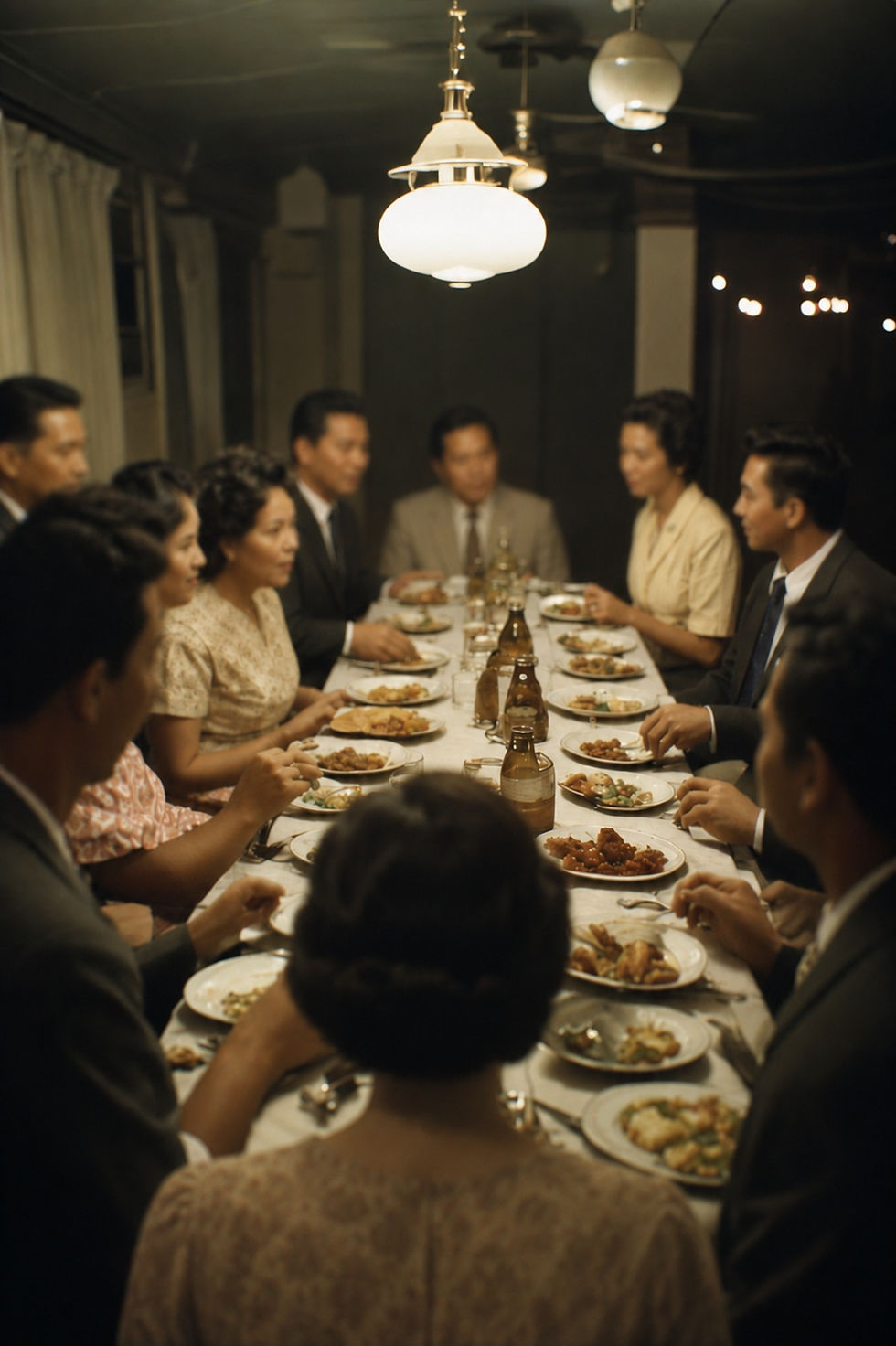
“Not just any dinner. I planned it down to the last detail. It was at a popular restaurant near the state capitol, close to Chinatown—a place we knew the legislators liked. We invited the Ways and Means chair and other key legislators, but they didn’t know what we were up to. I arranged the seating chart like a game of chess. Each legislator sat next to one of our supporters, and I coached the nurses beforehand. They knew who they were sitting next to and what to say—just enough to plant the idea without being pushy.”
Her lips curved into a quiet smile. “We just had a good time, ate good food, and talked about nursing’s future—how important it was to Hawai‘i. By the end of the night, they thought it was all their idea.
“Afterward, the Ways and Means chair came up to me and said, ‘You know, we don’t like it when people just invite us to ask for money. But you’re different. You get to know us, and you’re my friend all year round, not just during the session.’” She paused, her smile widening. “He had no idea the whole dinner was planned to the last detail. But do you know what? They funded us! They gave us more than we even asked for.”
“You really worked your magic,” I said.
“It wasn’t magic,” she replied. “It’s what nurses do all the time. We plant a seed and step back, so that by the time it blooms, the doctors—or the legislators—think it was their idea all along.”


Comments